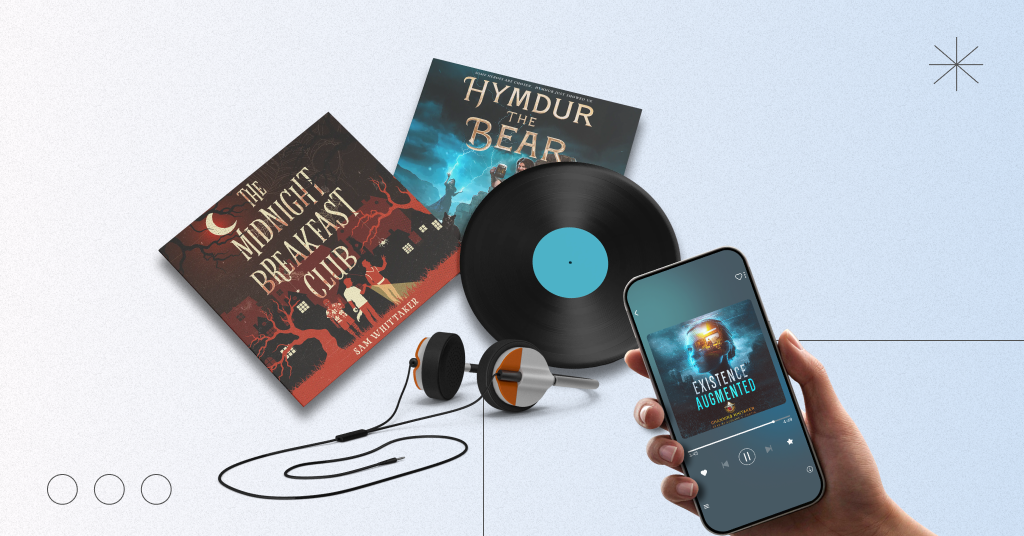
They say not to judge a book by its cover, but readers always do. Your cover is your story’s first impression, and it matters more than you think.
So, should you design it yourself or hire a pro? In this blog post, we’ll discuss the pros and cons of DIY vs. professional cover design to help you decide which path fits your goals, skills, and budget.
Understanding your needs
Before jumping into designing (or hiring someone to do it), take a step back and think about what you need. A book cover isn’t just a pretty picture; it’s a marketing tool. And knowing your goals will help you choose whether DIY or professional design makes more sense.
Assessing your project scope
Are you publishing a single book or planning a full series? Do you need a simple ebook cover design, or will you also need a paperback, hardcover, audiobook, or promotional graphics? The bigger the project, the more sense it makes to work with a professional who can ensure everything stays consistent and high-quality.
Identifying your design goals
Think about what you want your cover to achieve. Should it grab attention in a crowded marketplace, clearly signal the genre, or help you build a recognizable author brand? A DIY design might work for practice or smaller side projects, but if your goal is to compete in a professional book market, hiring a designer can make all the difference.
Setting your cost budget
Money matters, so there is no surprise there. A professional cover designer can be an investment, but one that pays off in reader trust and sales. If your budget is tight, you might start with DIY or premade covers and upgrade later. The key is to be realistic: balance your vision with what you can afford right now.
DIY book cover design
Designing your own book cover can sound exciting, and it really can be! It gives you complete creative freedom and a hands-on way to shape your book’s visual identity. But like most things in publishing, it comes with both perks and pitfalls.
Pros of DIY cover design
If you’re a hands-on author who loves experimenting, creating your own cover can be a really rewarding experience. Here’s why:
-
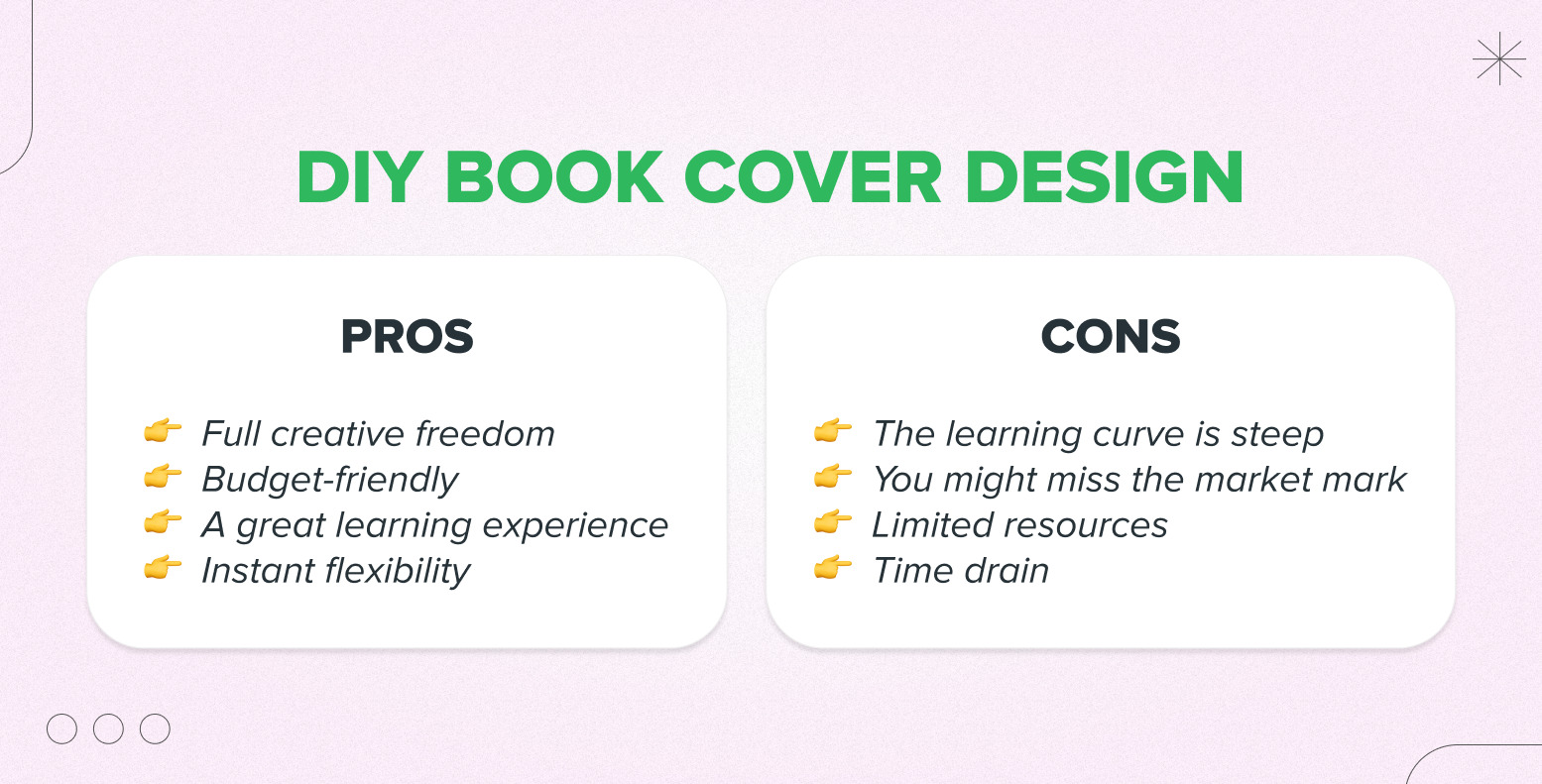
Full creative freedom. No back-and-forth emails, no waiting for revisions — you call all the shots. You can explore bold ideas, test different vibes, and build something that feels uniquely you.
-
Budget-friendly. Let’s be honest — professional cover design can be expensive. DIY is an excellent option if you’re on a tight budget or just testing the waters with your first book. You can invest more later once your sales start growing.
-
A great learning experience. You’ll learn a ton about design, marketing, and reader psychology. Understanding how layout, fonts, and imagery affect perception will make you a smarter author overall.
-
Instant flexibility. Want to change the title page, swap a background, or tweak a color? You can do it anytime without waiting or paying extra.
Cons of DIY cover design
Of course, there’s another side to the story. Designing a professional-looking cover isn’t as simple as dropping an image and a title onto a template. Here’s what you should watch out for:
-
The learning curve is steep. Great design takes time, practice, and an understanding of composition, color theory, and genre expectations. Without that foundation, it’s easy to end up with a bad cover that looks amateurish, even if you’ve worked hard on it.
-
You might miss the market mark. Readers judge books by their covers (it’s true!). If your design doesn’t fit your genre’s visual language (say, a fantasy that looks like romance), you could lose potential readers before they even read the blurb.
-
Limited resources. Free tools are great, but often have limitations in image quality, font licensing, or layout control. Meanwhile, high-end software requires both time and money to master.
-
Time drain. What starts as a fun, creative project can easily eat into your writing time. Balancing both roles — author and designer — can be exhausting.
Tools and resources for DIY
If you’re ready to give it a go, the good news is that there are plenty of tools to make the process smoother:
-
Canva – super beginner-friendly, with ready-to-use templates and drag-and-drop features.
-
BookBrush – designed specifically for authors; perfect for ebook covers, paperbacks, and promo graphics.
-
Adobe Photoshop – for more advanced users who want complete control over every detail.
-
Stock photo sites like Depositphotos, Shutterstock, or Unsplash for finding the right visuals.
-
Font resources – Google Fonts (free) or Creative Market (paid) for genre-appropriate typography.
Hiring a professional designer
Sometimes, the best move you can make as an author is to step back and let a professional take the wheel. A good designer doesn’t just make something look nice. They translate your book’s tone, genre, and mood into visuals that sell. But just like with DIY, working with a pro has its highs and trade-offs. Let’s break it down.
Benefits of hiring a professional book cover designer
When you hire a designer, you’re not just paying for a pretty picture but investing in expertise. Here’s why it can make a world of difference:
-
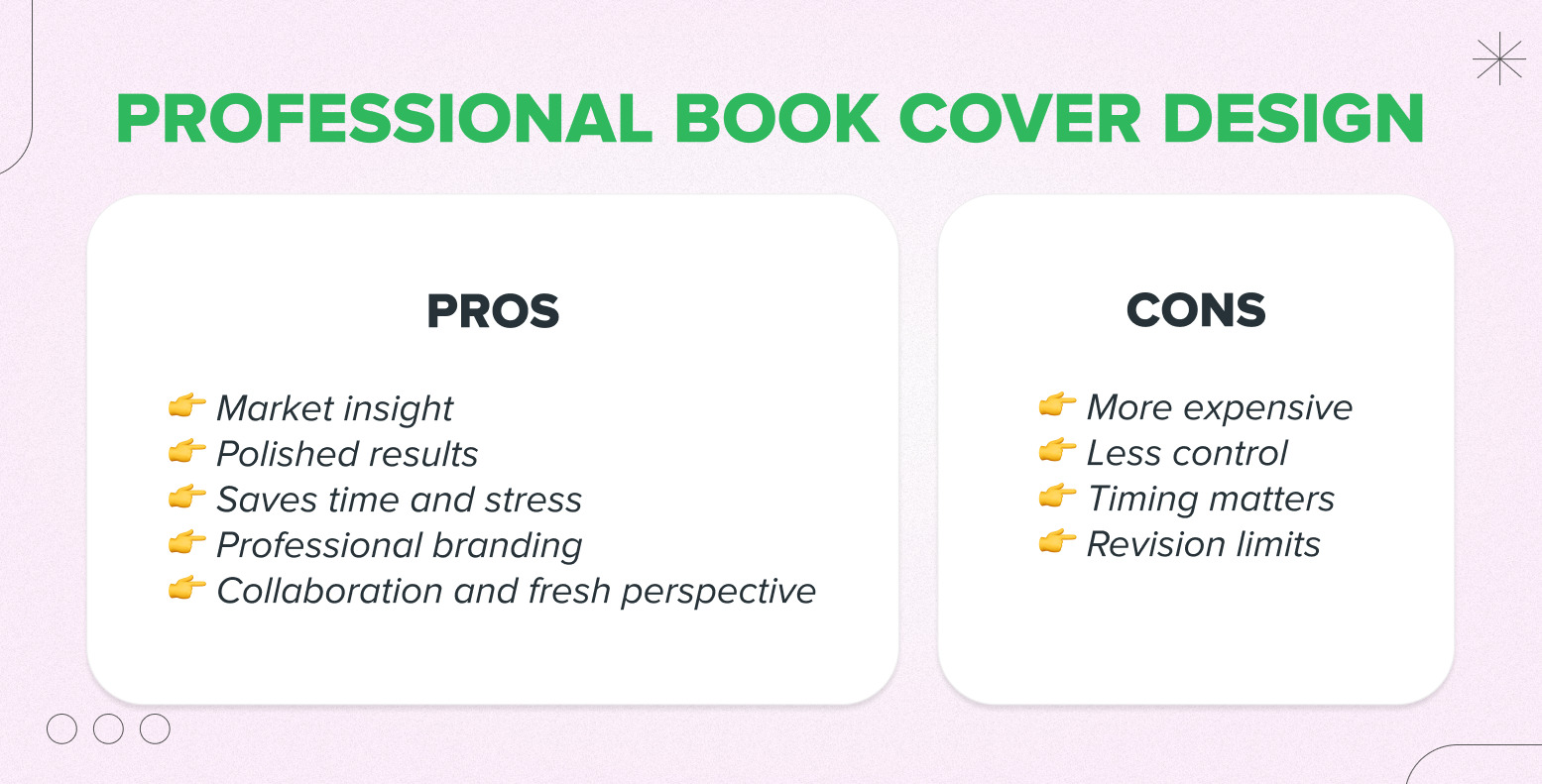
Market insight. Professional designers know what sells in your genre. They have expertise and experience, stay on top of trends, and understand how to make your cover fit the market while still standing out.
-
Polished results. A good designer will deliver a professional cover across all formats — ebook, paperback, audiobook, and social media graphics. Consistency builds trust with readers.
-
Saves time and stress. Instead of wrestling with fonts for hours, you can focus on what you do best: writing. Your designer handles the technical details, from image resolution to print specifications.
-
Professional branding. Many designers think beyond one cover. They can help you build a visual identity that grows with your author business career, especially if you plan to write your next book or a whole series.
-
Collaboration and fresh perspective. A designer brings an outside eye to your story. Sometimes they see creative directions or symbolic elements you might never have thought of.
Cons of hiring a professional book cover designer
Indeed, working with a professional isn’t always smooth sailing. Here are a few things to keep in mind:
-
It’s an investment. Quality design costs money, and for a reason. Depending on your designer’s experience and your project’s complexity, prices can range from a few hundred to over a thousand dollars.
-
Less control. You’ll need to trust your designer’s expertise, which can be tough if you have a very specific vision. Communication is key to finding the right balance between your ideas and their professional judgment.
-
Timing matters. Designers often book projects weeks (or even months) in advance. You’ll need to plan ahead if you’re on a tight publishing schedule.
-
Revision limits. Most designers include a certain number of revisions. Extra changes can cost more, so it’s essential to be clear and organized with your feedback.
By the way, if you’re ready to find your perfect designer, you can start your search here, from talented freelancers to established design companies.
Finding the right designer for a custom cover
So, where do you start? Finding the right designer can feel a bit like dating. You need someone who not only has skill but also gets your story.
-
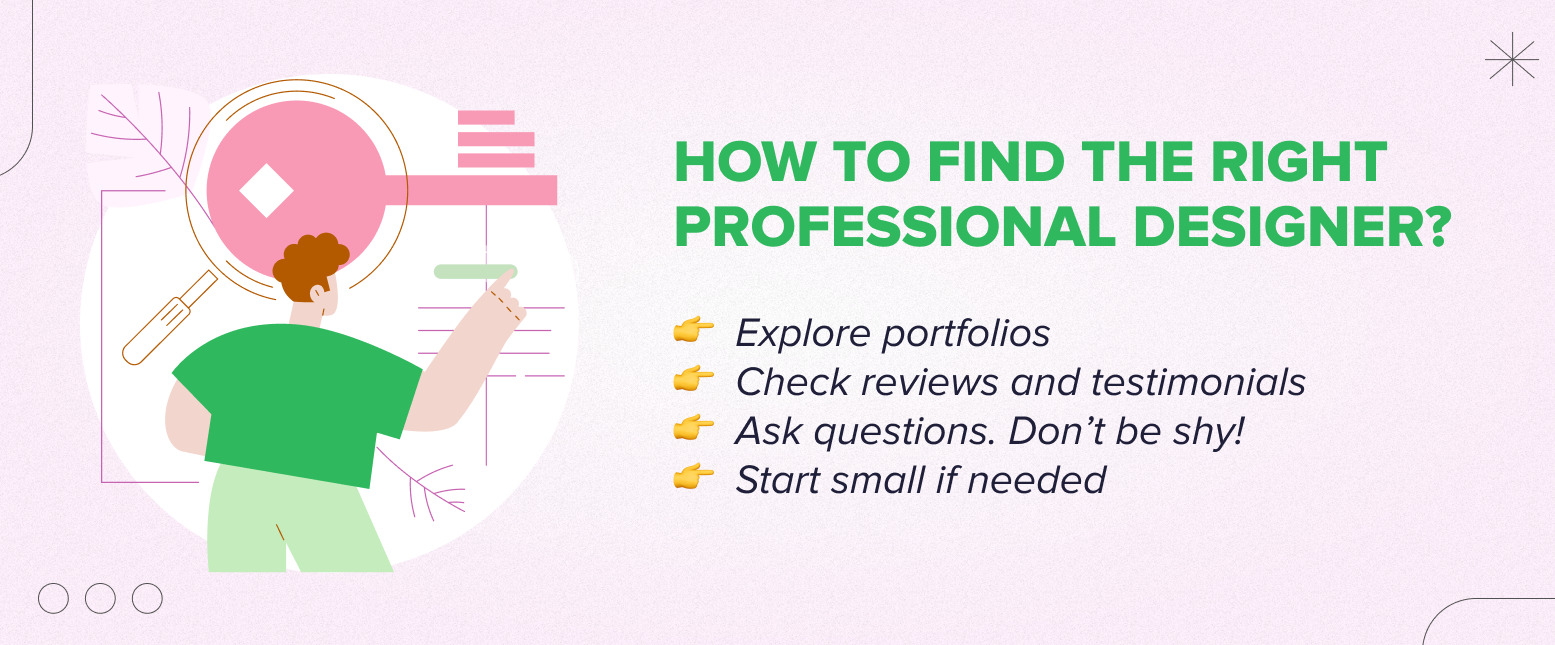
Explore portfolios. Look for designers specializing in your book’s genre and whose style matches your vision. Their past work says more than any bio ever could.
-
Check reviews and testimonials. Other authors’ experiences will tell you how responsive, reliable, and easy to work with a designer is.
-
Ask questions. Don’t be shy! Inquire about pricing, timelines, revision policies, and what’s included (e.g., paperback, 3D mockups, marketing graphics).
-
Start small if needed. If you’re nervous, begin with a premade book cover from a designer you like. It’s a great way to test their quality and workflow without committing to a full custom design.
For more tips on how to find the perfect designer, check out our blog post dedicated to this topic.
Making the decision
Now that you know what each path offers, it’s time to figure out which one fits you best. There’s no one-size-fits-all answer here. The right choice depends on your goals, experience, and resources. Before you make the call, let’s walk through a few key things to consider.
Considerations for DIY
DIY book cover design might be the right fit if you love creative control and enjoy experimenting. But it’s not just about saving money. It’s about how much time and effort you’re ready to invest.
-
You’re curious and willing to learn. DIY can be fun and rewarding if you’re excited to explore design tools, study genre trends, and practice.
-
Your budget is tight. When every dollar counts, starting with DIY or premade templates is a smart move. You can always upgrade later when your author business grows.
-
You have time. Designing takes hours — sometimes days — to get right. DIY is worth trying if you can afford that time away from writing.
-
You’re okay with “good enough.” For smaller projects or early books, perfection might not be necessary. DIY can help you get your book out there faster.
Considerations for hiring a professional
If you’re aiming for a polished and competitive look that builds your author brand, working with a book cover designer can be your best investment.
-
You want your book to compete in the market. A professional ensures your cover meets reader expectations and stands out on retail sites.
-
You prefer focusing on writing. Handing off design tasks frees you up to do what you truly love — creating your next story.
-
You have a long-term vision. Planning a series or building a recognizable author brand? A designer can help you maintain visual consistency and professionalism across multiple titles.
-
You value expert input. Sometimes, an outsider’s creative perspective can turn a good idea into a great one.
To wrap up
At the end, the best option is the one that aligns with your goals right now. Many indie authors start with DIY book covers and later switch to professional design as their audience grows. Others prefer investing in a pro from day one to make a strong first impression.
Think about your priorities, such as time, budget, and long-term vision. Whichever path you choose, remember: your book cover is your story’s first handshake with the reader. Make it count.
We hope you’ve enjoyed this step guide. By the way, do you love designing your own covers or prefer working with a professional? Share your experience in the comments. We’d love to hear what works best for you!
FAQ
Can a DIY cover really sell books?
Yes, but it depends on the quality. If your design clearly fits your genre and looks professional, it can absolutely attract readers. However, if it feels amateurish or confusing, it may hurt sales.
How much does a professional book cover usually cost?
It varies widely. Premade covers can start around $100, while custom designs from experienced professionals may range from $300 to $1000 or more. The price usually reflects the designer’s experience, time, and customization level.
Why should I hire a professional cover designer?
Because professionals know how to create covers that sell. They understand reader psychology, genre trends, and visual storytelling — all of which help your book grab attention and look trustworthy on crowded marketplaces.
How do I know if a designer is right for my book?
Check their portfolio and see if they’ve worked in your genre before. Every genre has its own visual language — a designer specializing in yours will know what readers expect and how to meet those expectations creatively.
Can I still give input on my professional book cover?
Absolutely. Most designers love collaboration! You’ll share your ideas, mood boards, and references, and they’ll translate them into a cohesive design that works for your market.