Book covers come in more styles than ever before. Some are built around characters, some focus on objects, some use detailed illustration, and so on. With so many options available, it is easy to feel unsure about which cover design style is right for your book.
So, how do you choose a book cover that actually fits your story and your genre? Let’s figure it out!
Types and styles of book covers
Before getting into practical tips, it helps to look at the main cover styles you are likely to come across. While many covers combine several approaches, most of them still fall into a few clear categories.
Book covers by the central element
One of the easiest ways to group book covers is by what takes center stage in the design.
1. Character-based covers
Character-based covers put one or more characters at the center of attention. This style is very common across many genres because people naturally connect with faces, body language, and emotion.
There are several ways this cover design style can appear:
- Some character-based covers show a detailed character with clear facial features, clothing, and expression.
- Others use a silhouette, which can work well if you do not want to define the character too precisely and would rather leave more room for the reader’s imagination.
- There are also portrait-style covers that focus closely on a face or upper body.
- Other designs may feature a full figure, a couple, or a group of characters.






Book cover design by Miblart
Object-based covers
Object-based covers focus on one central object or a mix of meaningful items. These objects usually hint at the plot, themes, setting, or important characters without showing them directly.
For example, a fantasy cover may feature a crown, dagger, key, or magical artifact. A thriller might use symbolic objects that create tension and mystery. In some cases, the cover includes an entire composition of smaller items that together suggest the kind of story the reader is about to enter.






Book cover design by Miblart
Typography-based covers
Typography-based covers rely mainly on the title and font treatment as the main visual feature. Sometimes the design is purely typographic, and sometimes it includes small thematic details, decorative frames, or ornate elements that support the text.
Typography-based covers can work especially well for books where a clean, striking title treatment makes a strong impression, or when the genre allows for a more design-driven approach.






Book cover design by Miblart
Book covers by creation type
Another way to think about cover styles is how the design is actually made.
Photo-manipulated book covers are created using stock photos or photo elements that are edited, combined, retouched, and enhanced into a final design. This is one of the most common approaches in commercial cover design because it can create a marketable look across many genres.



Book cover design by Miblart
Illustrated covers are created from scratch by an artist, which gives a lot of freedom in style, composition, and worldbuilding. This approach can range from soft and whimsical to dark and highly detailed.
There is also plenty of variety within illustration itself. For example, bright vector-style illustration is often a good match for romcoms, cozy stories, and playful contemporary books. On the other hand, fantasy, middle grade, or literary fiction may use more painterly, textured, or atmospheric illustration styles.


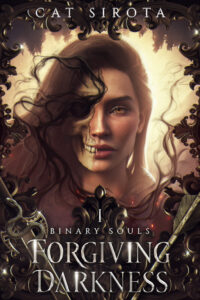
Book cover design by Miblart
Book covers by composition
Some cover styles are also defined by the way the visual elements are arranged.
Minimalist covers use fewer elements and more open space. They often rely on a single strong visual idea and clean typography rather than on a lot of detail.



Book cover design by Miblart
On the contrary, busy book covers are rich in details, textures, layers, and visual information. They may include multiple characters, objects, background elements, or decorative motifs, all working together within a single design.
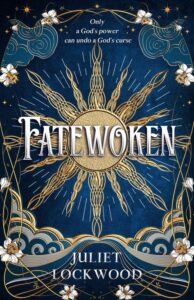


Book cover design by Miblart
There are also double-exposure covers that blend two or more images into a single layered composition. For example, a character’s silhouette may be filled with a cityscape, forest, flames, or another symbolic scene.


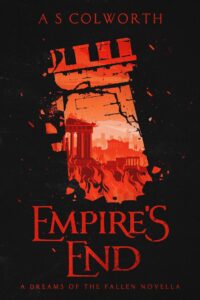
Book cover design by Miblart
How to choose the cover design style that works for your story
Now that we have looked at the main types of covers, the next step is to figure out which style is right for your book.
1. Start with your genre
Your genre should always be one of the first things guiding your decision. The right cover design style should match what readers expect to see when browsing books like yours.
That does not mean every cover in a genre should look the same. It means your design should still speak the visual language readers already associate with that category. If your book looks completely disconnected from your genre, the wrong readers may click on it, while the right readers may scroll past it.
2. Think about the tone of your story
Genre matters, but tone matters too. Two books can belong to the same category and still need very different cover styles.
A dark romance needs a completely different look than a lighthearted one. The same goes for fantasy, thriller, or mystery. Before choosing a style, think about the emotional effect your story has on readers. Is it tense, dreamy, playful, eerie, dramatic, hopeful, or unsettling? The cover should reflect that mood at first glance.
By the way, the best way to hint at what emotional experience your book offers is to use color. See how different tones work in cover design in this post.
3. Consider your target audience
It is also important to think about who you want to attract. Different reader groups often respond to different visual choices, even within the same genre.
Ask yourself what kind of covers usually catch your ideal readers’ attention. Do they seem drawn to bold typography, illustrated scenes, symbolic objects, or characters on the cover? The more clearly you understand your audience, the easier it becomes to choose a style that feels relevant to them.
Learn more about how to identify your book’s target audience in our blog post.
4. Study the covers in your genre
One of the most useful things you can do is look at the covers of authors who write in your genre. Pay attention to the visual patterns that recur. You can do it on Amazon or Goodreads.
You may notice that certain genres lean heavily toward character-based covers, while others often use objects or typography. You may also see repeated choices in color palette, composition, illustration style, or title treatment.
5. Decide what should lead the design
Another important question is what the cover’s main focus should be.
For example, if your story centers around a memorable protagonist, a character-based cover may be the strongest option. If an important artifact, symbol, or plot element carries significant meaning, an object-based design may work better.
6. Look at trends, but do not copy them too closely
Genre trends can be very useful when you are searching for direction. They can show you what kinds of covers are currently resonating with readers and what feels fresh in the market.
At the same time, it is better to treat trends as inspiration rather than a formula. If you follow them too closely, your cover may end up looking generic or too similar to other books. The goal is to understand what works and then shape it into something that still feels right for your story.
7. Check reader reviews in your niche
This is a step many authors overlook, but it can be surprisingly helpful. Reviews sometimes reveal how readers respond to covers in your niche.
They may mention that a cover caught their eye, matched the story perfectly, or gave the wrong impression. While not every reader comments on design, these details can still give you useful insight into what readers value and the expectations the cover creates.
Summing up
Choosing the right cover design style is not about picking whatever looks nice in isolation. It is about finding a style that fits your genre, reflects your story’s tone, and speaks to the readers you want to reach.
The good news is that you do not need to guess blindly. Once you understand the main cover types and pay attention to genre patterns, audience preferences, and current trends, the choice becomes much easier.