Coming up with fresh book marketing ideas is not always easy. At some point, every author feels like posting the same thing again and again: a cover reveal, a quote, a book release image, etc. The good news is that inspiration is everywhere once you know where to look.
To save you time searching for fresh ideas, we’ve gathered 15 places where you can find inspiration for your book marketing right here. Are you ready for a little walk through them?
1. Literary calendars
A literary calendar is one of the easiest places to find content ideas year-round. And no, it is not just full of serious dates like National Library Week or World Book Day. There are also plenty of fun and unexpected holidays that can inspire playful posts.
For example, there is National Tell a Fairy Tale Day, World Dracula Day, and many others. These kinds of dates are perfect for themed content because they already come with a built-in mood.
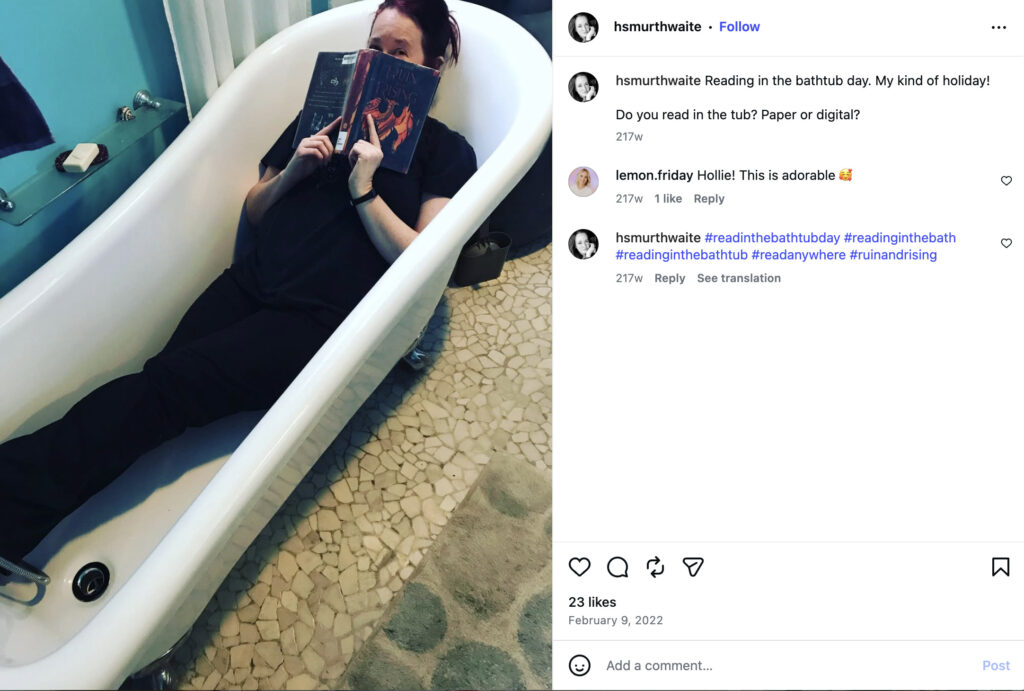
Let’s say you wrote a cozy romance. On Read in the Bathtub Day, you could post your book with a caption like, “The perfect excuse to grab bubbles, a candle, and a romance novel.”
By the way, Build Book Buzz publishes an updated literary calendar every year, which makes it especially convenient to use.
2. Pinterest
Here, you can search for aesthetics, color palettes, character fashion, fantasy locations, romance moodboards, typography styles, and even content ideas for Instagram or blogs.
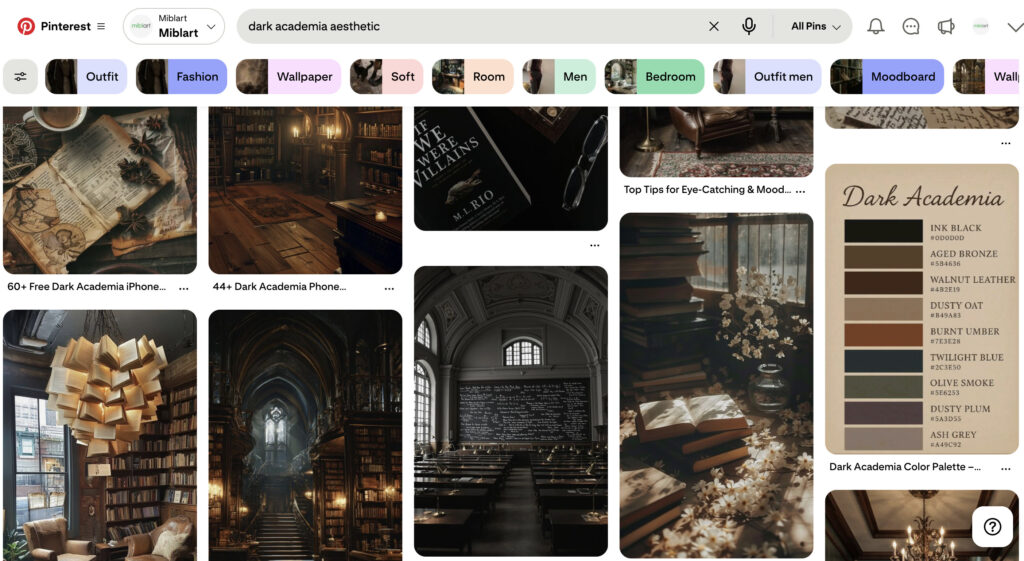
If your book has a dark academia mood, for example, you can search that phrase and instantly see the kinds of visuals people already connect with it: candles, old books, rainy windows, ink, ravens, vintage outfits. That can inspire everything from social media graphics to photoshoots to merch ideas.
Pinterest is especially helpful when you feel stuck and need to reconnect with the emotional feel of your book.
3. Other authors’ platforms
Looking at what other authors are doing can be incredibly helpful, especially if they write in your genre or speak to a similar audience. This does not mean copying their content. It means noticing patterns and asking yourself why something works.
Maybe one author gets a lot of engagement with trope-based posts. Another one shares funny writing memes. Someone else posts little “meet the character” cards. These are all clues.
What is essential? Pay attention to the format, tone, and comments. The goal is to understand what kinds of conversations readers already enjoy having.
4. Readers’ reviews
Feedback is one of the best sources of inspiration because it shows what readers actually notice, love, complain about, and remember.
If several readers say they loved the found family in a fantasy book, that tells you found family is worth highlighting more clearly in your content. If people keep mentioning a side character, maybe that character deserves their own spotlight post.
Reviews can inspire posts like:
- 3 things readers loved most about this book
- What kind of reader will enjoy this story?
- If you love slow burn, magical tension, and morally gray characters, this one is for you.
You can also look at reviews of other books in your genre. That helps you see which themes and story elements readers respond to most strongly and which ones they are getting tired of.
5. BookTok
BookTok is one of the most obvious places to look for inspiration, but it is still one of the most useful. The hashtag #BookTok has become one of the most popular book-related spaces on TikTok, with more than 76 million videos, which shows just how active and creative this community is.
You do not have to dance or force yourself into trends that do not fit you. Sometimes, simply watching what kinds of book-related videos get attention is enough to spark fresh ideas for your own content.
The point is not to copy videos one by one. It is to notice what emotional language, visuals, and topics readers are engaging with right now. And if you want even more ideas on how to use this platform for book promotion, take a look at our blog post.
6. Pop culture
Movies, TV shows, celebrity moments, viral aesthetics, and trending conversations can all inspire book marketing ideas. This works especially well when there is a clear connection between your book and something people are already talking about.
Here are a few examples of posts:
- If you loved the tension in Bridgerton, here’s a book with a similar vibe
- What would my characters wear to Fashion Week?
- If my book got the Oscars treatment, what category would it win?
Even a seasonal aesthetic can be useful. For example, a rise in Western fashion could inspire content for cowboy romances. But you do not need to chase every trend. You just need to notice the ones that naturally fit your book’s tone and audience.
7. Reddit, Quora, and similar platforms
If you want honest opinions, go to Reddit or Quora. Readers there are often blunt in an incredibly useful way. They will tell you exactly what they love, what they hate, what feels overdone, and what they wish they could find more often.
This is gold for content ideas.
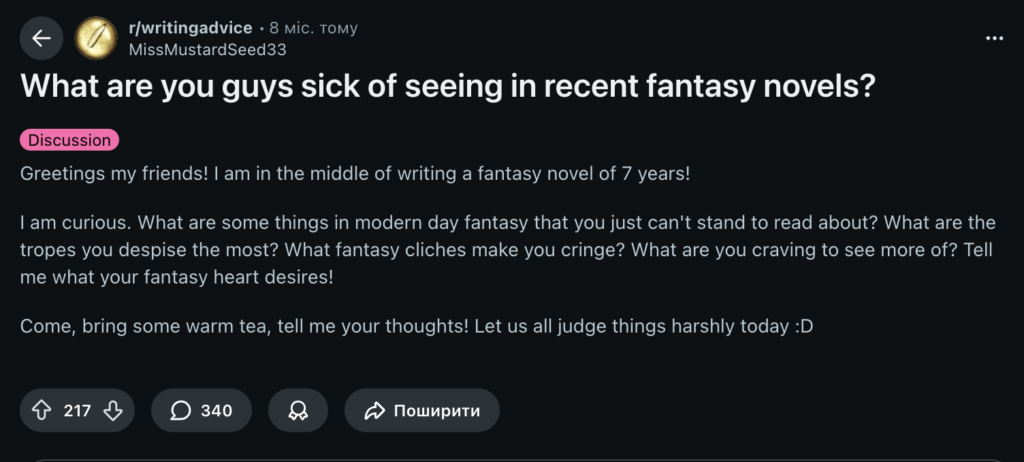
You might find a thread where fantasy romance readers complain that every hero feels the same. That could inspire a post like, “3 things readers are tired of in fantasy romance.” Or you might find people passionately defending morally gray heroes, which could lead to a post like, “Why readers love morally gray heroes so much.”
8. Behind-the-scenes content
Many authors think readers care only about the finished book. But in reality, many readers love seeing what happens behind the scenes. They enjoy feeling involved in the process.
That can include things like your drafting chaos, editing stages, cover design journey, research rabbit holes, playlist creation, character name changes, or even small struggles like trying to write chapter twelve while questioning your life choices.
For example, you can create content like:
- What changed between the first draft and the final book
- How I chose the title
- What my cover design process looked like
- Things I had to research for this novel that made me feel slightly unhinged.
It gives readers a reason to follow your journey, not just your release day.
9. Book covers and blurbs in your genre
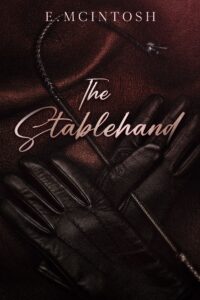
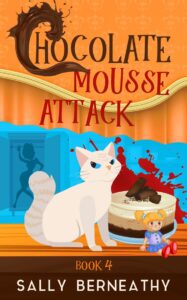
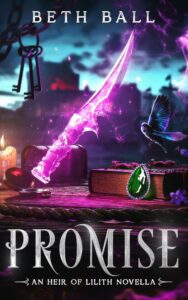
Your genre is already telling you a lot about what works. Spend time browsing recent book covers and blurbs in your category, especially on Amazon, Goodreads, and publisher websites.
Pay attention to repeated patterns. Are dark romance covers leaning more toward symbolism or character focus? Are cozy mysteries using illustrated covers with bright colors? Are fantasy blurbs emphasizing worldbuilding, romance tension, or danger first?
This helps in two ways. First, it teaches you what readers expect at a glance. Second, it gives you ideas for what to emphasize in your own content.
10. Meme content
Memes can make your content feel more natural and less promotional, especially on Instagram, TikTok, and X. And authors have a lot of meme material to work with. Moreover, most writers and readers have the same pains.
Meme content also lets you tap into humor around your specific genre. A fantasy author can joke about map obsession and prophecy trauma. A romance author can joke about one bed and accidental hand touching. A thriller author can joke about readers trusting absolutely no one.

11. Marketplaces and bookstores
Online marketplaces and bookstores are useful because they show you how books are positioned in the real world. Browse Amazon categories, bookstore tables, genre bestseller lists, and even special seasonal displays.
Look at what books are grouped together. Notice which titles are being highlighted and how they are described. Sometimes, the way a bookstore frames a table can become the perfect content idea.
Marketplaces are also useful for noticing language. Which keywords show up over and over again? Which tropes are being named directly? What kinds of subtitles or category labels are attracting attention? That gives you better ideas for your posts, ads, metadata, and overall positioning.
12. Adjacent-interest audiences
Sometimes the best inspiration does not come directly from book spaces. It comes from the interests that overlap with your audience.
For example, readers of cozy fantasy may also love cottagecore, tea content, baking videos, soft interior aesthetics, and gaming. Dark academia readers may also follow fashion creators, art pages, museum accounts, and studygram content. Romance readers may also engage with wedding content, relationship humor, astrology, or self-care pages, depending on the niche.
These adjacent interests can inspire creative content like:
- A baking reel inspired by your cozy fantasy book
- A fashion moodboard for your main character
- A playlist post based on your book’s emotional energy.
This helps you meet readers where they already are, instead of only talking inside author circles.
13. FAQs from readers in DMs, comments, and emails
If readers keep asking you the same questions, that is a giant clue. It means you already have content ideas people care about.
Maybe readers ask whether your book is spicy, whether it ends happily, whether it can be read as a standalone, what age group it fits, or which tropes it includes. Maybe they want to know your writing routine, your favorite character, or whether there will be a sequel.
Each of those questions can become a piece of content. For example:
- Is this book spicy? Here’s what to expect
- Can this series be read out of order?
- 5 tropes you’ll find in my new release.
14. Tropes and vibes
Tropes are among the easiest ways to market books because readers actively seek them out. The same goes for vibes. People often discover books through emotional or aesthetic language long before they know anything about the plot.
That means content built around tropes and vibes can be extremely effective. For example, instead of describing your book in a broad way, you can create content like:
- If you love enemies to lovers, forced proximity, and dangerous magic, this book is for you
- This story has rainy city nights, cursed forests, old secrets, and slow-burn tension
- Books with tender love stories and slightly unhinged heroines.
By the way, another way to hint at the emotions readers can expect inside a book is through the cover. Color plays a huge role in that, and you can learn exactly how in our blog post.
15. Goodreads
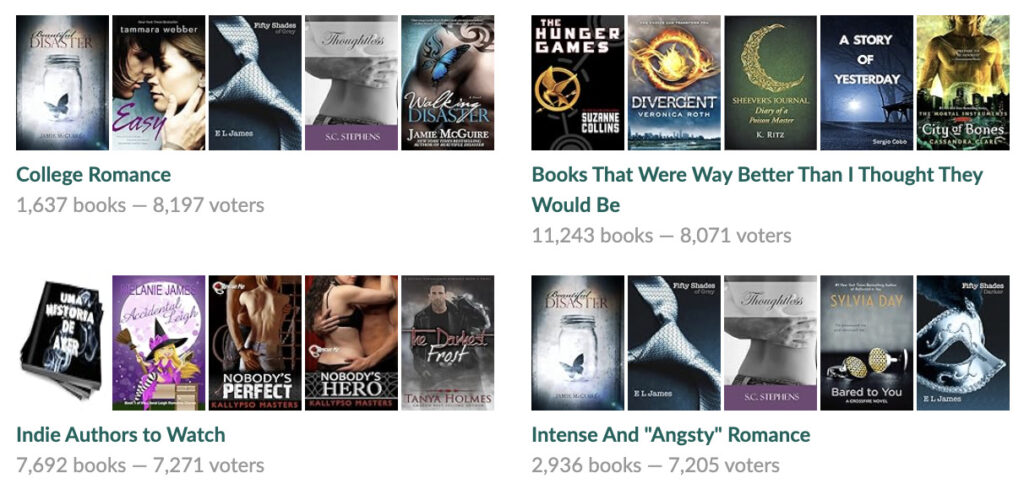
This popular bookish platform shows how readers discuss books as they organize their reading lives. You can look at reviews, lists, shelves, groups, and the exact language readers use to categorize what they want.
Search for books similar to yours and read the top reviews. Look at the public shelves people created. You may find labels like “villain romance,” “comfort reads,” “tragic fantasy,” “cozy witchy vibes,” or “books that emotionally destroyed me.” That kind of language is marketing gold because it reflects real reader thinking.
Goodreads lists are also helpful. A list called “Best Books with Morally Gray Heroes” or “Fantasy Romance with Found Family” can tell you which angles matter enough for readers to gather books around them.
To wrap up
You do not need to wait for inspiration to magically appear. In most cases, it is already around you. It is in reader reviews, weird holidays, BookTok trends, bookstore tables, meme formats, Reddit arguments, and the questions sitting in your inbox right now.
Where do you usually find inspiration for your book marketing? Which of the 15 places mentioned in the article are you most excited to explore first? Share in the comments.